October 2, 2026
Periodontal Treatment Ventura: A Smart Step Toward Better Oral Health
By @rowancgqn330
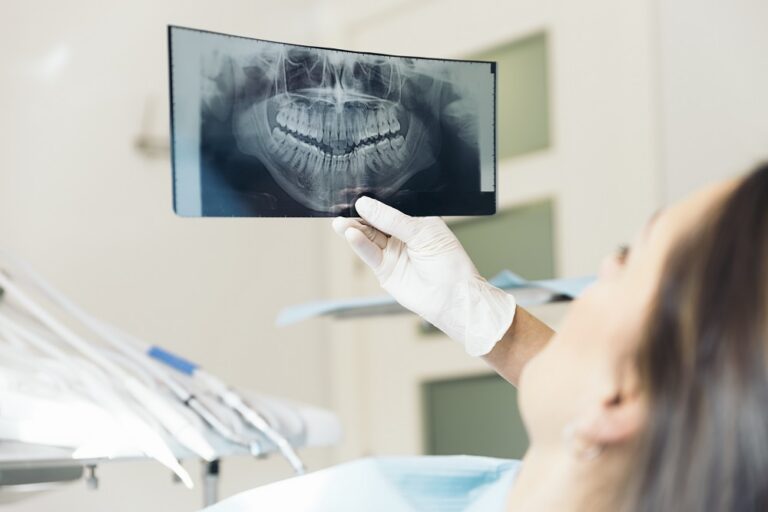
Healthy gums rarely get the attention they deserve until something starts to feel wrong. A little bleeding during brushing, tenderness near the gumline, a tooth that suddenly seems more sensitive than usual, these signs are easy to dismiss. Many people do. Then they sit in a dental chair months later, surprised to learn that the real problem is not a cavity at all, but gum disease.
That pattern is common, and it is one reason periodontal care matters so much. Teeth may seem like the stars of oral health, but gums, bone, and connective tissues do the heavy lifting. They hold everything in place. When those supporting structures are inflamed or infected, the damage can progress quietly. By the time pain shows up, the condition is often more advanced than patients expect.
For anyone considering periodontal treatment Ventura providers offer, the smartest move is often the earliest one. Good periodontal care is not just about managing disease after it becomes serious. It is about preserving bone, protecting teeth, improving comfort, and reducing the chance of more complex treatment later. In practice, that can mean the difference between a straightforward deep cleaning and a much longer road involving surgery, grafting, or tooth replacement.
Why gum health deserves serious attention
Periodontal disease begins with plaque, a sticky film of bacteria that collects around teeth and along the gumline. If plaque is not removed well enough or often enough, it hardens into tartar, which cannot be brushed away at home. The gums react with inflammation. At first, this stage is typically called gingivitis. Gums may look puffy, appear redder than usual, or bleed when flossing. Many patients assume bleeding is normal. It is not.
When inflammation continues, the condition can move into periodontitis. At that point, the infection affects more than just the surface gum tissue. It begins to damage the deeper support structures around the teeth. The small spaces between gums and teeth, called pockets, can deepen. Bone loss can follow. Teeth may loosen, shift, or become harder to clean.
One of the difficult things about periodontal disease is how quietly it can progress. I have seen people who were meticulous in some aspects of health care but put off a dental visit because nothing hurt. Then an exam and X-rays revealed bone loss that had likely been developing for years. That is not unusual. Gum disease is often more silent than dramatic.
There is also a practical point that patients appreciate once it is explained clearly. Treating gum disease early is usually less invasive, less expensive, and easier to maintain. Waiting rarely improves the situation.
What periodontal treatment actually means
The phrase sounds broad because it is broad. Periodontal treatment is not one procedure. It is a category of care aimed at controlling infection, reducing inflammation, preserving tissues, and restoring support around teeth when possible.
A patient with mild gingivitis may need a professional cleaning, improved home care, and closer monitoring. A patient with periodontitis may require scaling and root planing, often called a deep cleaning, along with irrigation, antimicrobial therapy, more frequent maintenance visits, or surgical treatment if the pockets are too deep to manage non-surgically.
The right treatment depends on several factors: how advanced the disease is, how much bone loss has already occurred, where the affected areas are located, whether the patient smokes, whether diabetes is well controlled, and how consistently home care can be maintained.
This is where judgment matters. Two patients can look similar at first glance and need very different plans. One may respond well to non-surgical therapy and excellent follow-up. Another may need a periodontal specialist because the tissue architecture, pocket depth, or bone defects make long-term control unlikely without surgery.
That is why a thoughtful evaluation matters more than a one-size-fits-all promise.
Signs that should not be ignored
Most people do not wake up one day and announce that they need periodontal care. They notice small changes, and the question is whether they act on them soon enough.
These are some of the signs that deserve prompt attention:
- gums that bleed during brushing or flossing
- persistent bad breath or a bad taste in the mouth
- gum recession, especially if teeth look longer than before
- tenderness, swelling, or redness along the gumline
- loose teeth or a change in how the bite feels
None of these automatically means severe periodontitis, but all of them warrant a professional evaluation. Bleeding in particular is often minimized. Patients will say, "It only happens when I floss." That is exactly when inflamed tissue tends to reveal itself.
Why local care in Ventura can make a difference
There is value in receiving periodontal treatment Ventura patients can access consistently and without logistical strain. Gum disease is usually not managed in one appointment. It requires evaluation, treatment, healing, reassessment, and maintenance. If a patient has to travel far, reshuffle work repeatedly, or delay follow-up because the office is inconvenient, outcomes often suffer.
Local care makes routine maintenance more realistic. That matters because periodontal disease is managed, not magically erased. Even after successful treatment, many patients need periodontal maintenance visits every three to four months instead of the traditional six-month cleaning schedule. That tighter interval helps disrupt bacterial repopulation before it can trigger renewed tissue breakdown.
Ventura patients also tend to benefit from climate and lifestyle conversations that are specific to the area. Dry mouth from certain medications, dehydration, outdoor work, athletic routines, and diet habits can all influence oral health. Good local clinicians often connect these everyday details to gum care in a practical way, which helps patients stick with treatment.
What happens during a periodontal evaluation
A proper evaluation goes beyond a quick look at the gums. It usually includes measurements of pocket depths around each tooth, checking for bleeding points, assessing recession, evaluating tooth mobility, and reviewing X-rays for bone levels. Existing restorations, bite forces, and oral hygiene patterns also matter.
Patients are often surprised by the probing measurements, but they are important. In a healthy mouth, gum pockets are usually shallow. When pockets deepen, they become harder to clean at home. That creates a protected space for harmful bacteria. The numbers help determine both diagnosis and treatment planning.
This part of care should feel thorough, not rushed. If a provider explains findings clearly, patients are much more likely to understand why treatment is recommended. The explanation matters. People are more likely to follow through when they know that a 6 millimeter bleeding pocket is not just a technical detail, but a sign of active disease that threatens the support around a tooth.
Non-surgical treatment often works very well
Many patients hear the term "periodontal treatment" and immediately imagine surgery. In reality, the first line of care is often non-surgical, especially when the disease is caught before destruction becomes too advanced.
Scaling and root planing is the standard approach for many cases. This involves carefully removing plaque, tartar, and bacterial toxins from below the gumline and smoothing root surfaces to make it harder for bacteria to reattach. Depending on the extent of the disease, treatment may be completed in sections with local anesthesia to keep the patient comfortable.
When done well, deep cleaning can produce meaningful improvements. Inflammation decreases. Bleeding often resolves. Pockets may shrink as tissues heal. Patients frequently say their mouth feels cleaner, less sore, and easier to maintain within a week or two.
That said, it is not a magic reset. Deep cleaning works best when paired with excellent home care and consistent maintenance. If a patient returns to old habits right away, the bacterial burden can build again quickly.
Some practices may also use localized antimicrobials or prescribe a short-term antimicrobial rinse when appropriate. These can help in selected cases, but they are not substitutes for mechanical cleaning. Biofilm has to be physically disrupted. That principle remains central no matter what additional tools are used.
When surgical periodontal treatment becomes the better option
There are times when non-surgical treatment does not fully solve the problem. Deep pockets may remain in areas that are hard to clean. Bone defects may create shapes where bacteria continue to thrive. Recession may expose roots enough to cause pain or aesthetic concerns. In those cases, surgical treatment may offer better long-term control.
Procedures vary. Pocket reduction surgery can improve access for cleaning and reduce pocket depth. Bone grafting may be used in selected defects to help regenerate lost support. Soft tissue grafting can cover exposed roots or reinforce thin gum tissue. Crown lengthening may be recommended when gum and bone contours interfere with restorations or cleaning.
Surgery sounds intimidating to many patients, but modern periodontal procedures are often more manageable than expected. With local anesthesia and, when appropriate, sedation options, discomfort during treatment is usually controlled well. Recovery depends on the procedure, but many patients return to work quickly, especially after limited site treatment.
The more important question is not whether surgery sounds pleasant. It is whether surgery offers a better chance of preserving the tooth and stabilizing the mouth. Sometimes it does.
The connection between gum disease and overall health
Dentists should be careful not to overstate this relationship, but they should not ignore it either. Periodontal inflammation exists in a living body, not in isolation. There is strong interest in the links between gum disease and conditions such as diabetes, cardiovascular disease, pregnancy complications, and systemic inflammation.
The clearest everyday example is diabetes. Poorly controlled blood sugar can make periodontal disease harder to manage, and active periodontal infection can make diabetic control more difficult. That two-way relationship is clinically relevant. Patients with diabetes often do better when medical and dental care both take gum health seriously.
Smoking is another major factor. It does not just stain teeth or dry the mouth. It impairs healing, masks visible bleeding, and increases the risk of periodontal breakdown. In smokers, gum disease can look deceptively calm while progressing underneath. That is one reason tobacco history matters so much during evaluation.
There is also a quality-of-life dimension that does not get enough attention. Sore gums, loose teeth, chronic bad breath, and difficulty chewing affect daily confidence and comfort. Successful treatment often improves more than the clinical chart.
What home care needs to look like after treatment
After periodontal therapy, patients usually ask the same practical question: what should I do now so this does not come back? The answer depends on individual anatomy and risk factors, but the basics are not mysterious. They just require consistency.
A good maintenance routine usually includes:
- brushing thoroughly twice a day with a soft-bristled brush
- cleaning between the teeth daily with floss, picks, or interdental brushes
- using any prescribed rinse or specialty product as directed
- keeping periodontal maintenance appointments on schedule
- reporting bleeding, soreness, or looseness early rather than waiting
The details matter. A patient with wider spaces between teeth may do far better with interdental brushes than with traditional floss. Someone with recession and root sensitivity may need a low-abrasion toothpaste and a modified brushing technique. Patients with limited dexterity often benefit from electric brushes or simple tools that reduce hand strain.
This is where personalized instruction matters more than generic advice. Telling everyone to floss more is not a treatment plan. Showing someone exactly how to clean a difficult lower molar area, and then confirming at the next visit that the inflammation there has improved, is much more effective.
Cost, value, and the price of waiting
Patients understandably think about cost when periodontal treatment is recommended. Deep cleanings, maintenance visits, specialist care, imaging, and possible surgery can add up. Insurance may help, but benefits vary widely and often do not cover everything.
Still, the financial comparison that matters most is not treatment versus no treatment. It is early treatment versus delayed treatment.
A patient who addresses moderate disease now may need deep cleaning, local therapy, and maintenance. A patient who delays for several years may face surgery, extraction, bone grafting, implant placement, or partial dentures. Those are very different financial paths.
There is also the cost of disruption. Time off work, repeated urgent visits, pain, chewing problems, and cosmetic concerns affect daily life. Preserving natural teeth when possible is not only a biological goal. It is often the more economical and stable long-term option.
That said, good practices should discuss phased treatment when appropriate. Not every patient can do everything at once, and honest planning helps. Sometimes care can be sequenced sensibly, focusing first on active infection and the highest-risk areas.
Choosing the right provider for periodontal treatment Ventura patients can trust
Not every gum problem requires a periodontist, but some absolutely benefit from specialist care. General dentists often diagnose and manage early to moderate periodontal disease very effectively. More advanced cases, surgical needs, regenerative procedures, and complex recession treatment may call for referral.
The best choice depends on the situation, but a few qualities consistently matter. Look for a provider who measures and documents periodontal status carefully, explains findings in plain language, outlines alternatives honestly, and emphasizes maintenance instead of acting as if treatment ends after one procedure. Strong offices also coordinate well if a specialist becomes involved.
Patients should feel comfortable asking practical questions. How deep are the pockets? Is there bone loss? What can improve with non-surgical therapy, and what probably will not? How often will maintenance be needed? What happens if treatment is delayed?
Clear answers are a sign of sound care.
What recovery and follow-up usually feel like
Recovery varies by treatment type, but many people are pleasantly surprised. After scaling and root planing, it is common to have some tenderness, mild bleeding, temporary sensitivity to cold, and slight soreness when brushing near treated areas. These effects usually settle within days. Good plaque control during healing is important, even if the gums feel a bit delicate.
Surgical recovery depends on the extent of the procedure. Patients may notice swelling, a tight sensation, or mild bruising. Soft foods are often recommended briefly, and vigorous brushing near the surgical site may be limited for a short time. Written instructions help, and follow-up visits are important for monitoring how the tissue responds.
Reevaluation is one of the most overlooked parts of care. The goal is not just to complete treatment. The goal is to see whether the tissue actually improved. Pocket depths, bleeding, plaque control, and comfort should all be reassessed. If certain areas are still not responding, the plan may need to change. That is not failure. It is responsible periodontal management.
A better future for your teeth often starts with your gums
People tend to think of dental care in terms of repairs. Fill the cavity. Fix the chip. Replace the missing tooth. Periodontal treatment asks a more foundational question: what is supporting the teeth you still have?
That question matters at every age. Younger adults can develop aggressive gum problems even if they have few or no cavities. Middle-aged patients often discover that long-standing inflammation is finally showing up as recession or mobility. Older adults may be balancing medications, dry mouth, crowns, implants, and dexterity changes that make gum maintenance more difficult than it used to be.
The encouraging part is that periodontal treatment can make a real difference. Infection can be controlled. Inflammation can subside. Teeth that seemed headed for trouble can often remain stable for years with the right care and follow-up. The earlier the intervention, the better the odds.
For patients exploring periodontal treatment Ventura options, the key is not to wait for a dramatic dental emergency. Bleeding gums are reason enough to schedule an evaluation. So is recession. So is bad breath that does not improve. So is the sense that something has changed, even if the change seems minor.
A healthy smile is not just enamel and appearance. It is the strength and stability beneath the surface. Protect that foundation, and the rest of your oral health has a https://cruzxtzu519.ironwoodscope.com/posts/periodontal-treatment-ventura-expert-care-for-better-gum-health much better chance to last.
Avra Dental
Address: 1708 S Victoria Ave B, Ventura, CA 93003
Phone number: (805) 941-1001
FAQ About Periodontal Treatment Ventura
Can a dentist get rid of periodontal disease?
A dentist or gum specialist (periodontist) cannot fully cure or reverse advanced periodontal disease (periodontitis), but they can successfully stop its progression and manage the infection.
Is periodontitis very serious?
Yes, periodontitis is a very serious, advanced form of gum disease that destroys the bone and tissues supporting your teeth.
How is stage 2 periodontal disease treated?
Stage 2 periodontal disease (early to moderate periodontitis) is primarily treated with non-surgical deep cleaning procedures like scaling and root planing to remove bacteria and tartar below the gumline.
❧